Blind and low vision
Vision rehab, orientation and mobility, braille, guide dogs, low vision clinics, technology, and free talking books.
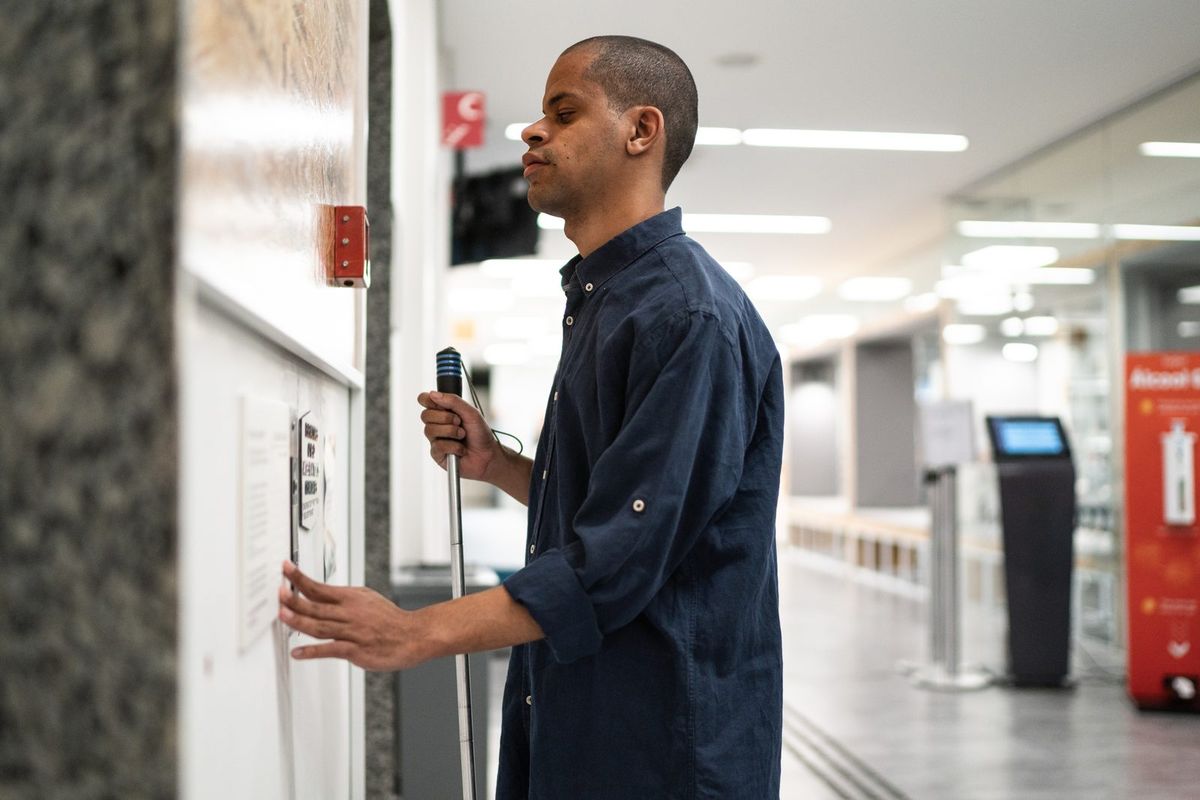
Vision rehab and training
Vision rehab teaches you to do the things you want to do, with less vision or none. It can include:
- Orientation and mobility (O&M): traveling safely with a white cane, using transit, and crossing streets.
- Daily living skills: cooking, labeling, money, and home organization.
- Technology: screen readers, magnification, and phone apps.
- Braille and other ways to read and write.
- Job training and placement through Vocational Rehabilitation.
Every state has a public agency that provides these services, sometimes a separate agency for the blind, sometimes part of Vocational Rehabilitation. People 55 and older can get independent living training through the Older Individuals Who Are Blind program.
Low vision care
A low vision specialist (an optometrist or ophthalmologist with low vision training) checks how you use the vision you have and recommends magnifiers, lighting, glare filters, and devices. Ask your eye doctor for a referral.
Braille and reading
- Free talking books and braille: the Library of Congress National Library Service (NLS) mails braille and audio books, magazines, and a player for free, and offers the BARD app. Anyone who cannot read regular print because of a visual, physical, or reading disability can sign up. Call 888-657-7323.
- Free mail: braille, large print (14 point or larger), and audio materials for blind people can be mailed free as "Free Matter for the Blind or Handicapped."
- Students with print disabilities can get free accessible books from Bookshare.
- Learning braille: ask your state agency for the blind, or contact the American Printing House (800-223-1839) for materials.
- Accessible notices: Social Security and Medicare will send letters in braille, large print, or audio if you ask. See Money and benefits.
Canes and guide dogs
- A white cane is free from many state agencies and the National Federation of the Blind's free cane program. An O&M instructor teaches you to use it.
- Guide dog schools train dogs and handlers together, usually at little or no cost to you. You need good travel skills first.
- Under the ADA, businesses and governments must let your guide dog go where the public can go. Staff may ask only two questions. See Service animals.
Who pays
- Medicare does not pay for magnifiers or other low vision devices. It covers glasses only after cataract surgery. It may pay for low vision therapy from an occupational therapist when your doctor orders it, and it covers yearly glaucoma tests for people at high risk, diabetic eye exams, and treatment for macular degeneration.
- Medicaid covers eyeglasses and some devices in some states. For children under 21, Medicaid must cover vision care that is medically necessary.
- State agencies for the blind and Vocational Rehabilitation pay for training and devices you need to live on your own or work.
- The VA provides blind rehabilitation and devices for eligible veterans. See Veterans.
Groups run by blind people
National Federation of the Blind
Mentors, state affiliates, and training centers. Call 410-659-9314.
American Council of the Blind
State affiliates and advocacy. Call 800-424-8666.
American Foundation for the Blind
Research and guides on work, technology, and aging. Call 212-502-7600.
Search blind and low vision services
Pick your state, then narrow by county on the results page.
Search runs on the Disability Atlas, our sister site, which holds every listing.
Last reviewed: October 2026. Laws, dollar amounts, and program rules change. Check with the agency named on this page before you make a decision. Report outdated or wrong information.