Hearing aids and cochlear implants
Your options, what they cost, who pays, and how to get started.
Your options
| Option | Who it is for | How you get it |
|---|---|---|
| Over-the-counter hearing aids | Adults 18 and older with perceived mild to moderate hearing loss | In stores and online. No exam or prescription needed. |
| Prescription hearing aids | Any degree of hearing loss, and anyone under 18 | Fitted by an audiologist or hearing aid specialist. |
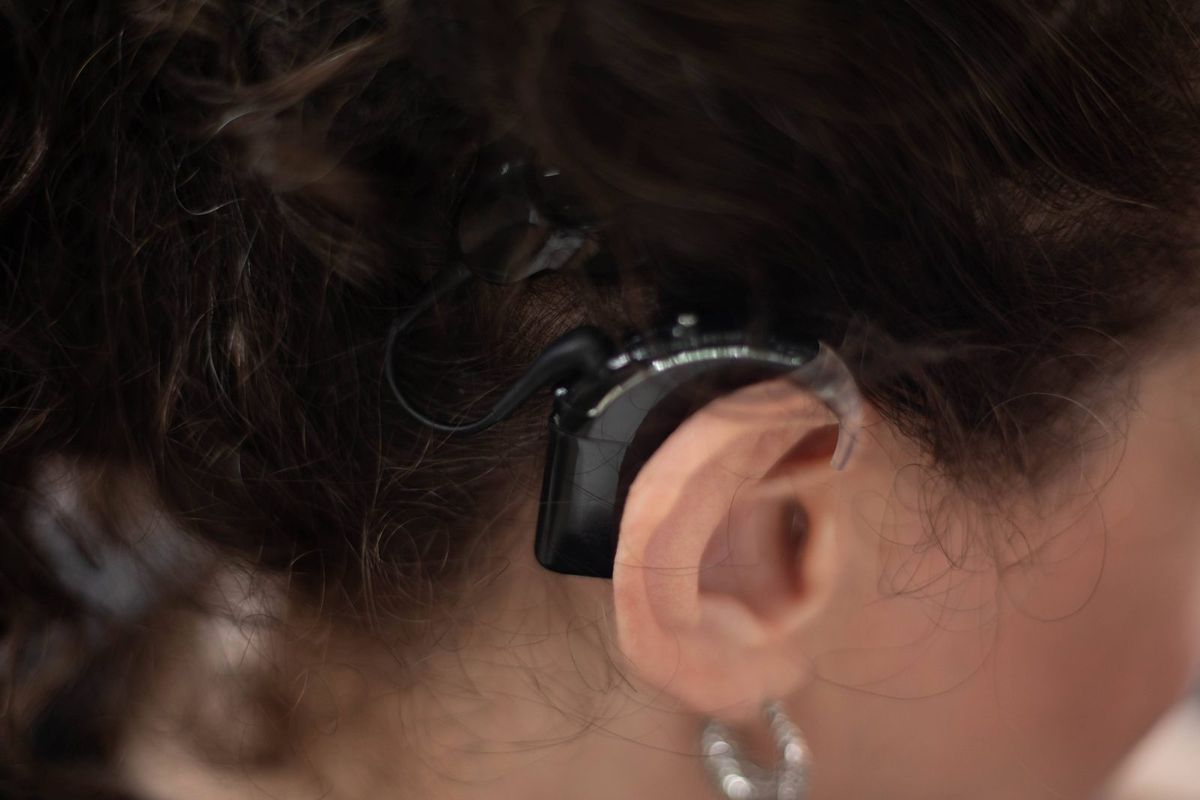
| Cochlear implants | Moderate to profound loss with limited benefit from hearing aids | Surgery at an implant center, then programming by an audiologist. |
| Bone conduction and other implants | Some types of conductive or single-sided loss | Through an ear doctor and audiologist. |
Who pays
- Original Medicare does not pay for hearing aids or fittings. It does pay for diagnostic hearing exams, and you can see an audiologist once a year without a doctor's order.
- Medicare Advantage plans often add hearing aid benefits. Call your plan.
- Medicaid covers hearing aids for adults in some states. For children under 21, Medicaid must cover medically necessary hearing aids.
- The VA provides hearing aids at no cost to veterans enrolled in VA health care.
- Vocational Rehabilitation may pay if you need hearing aids for work.
- Private insurance varies. Some states require coverage, especially for children.
Good to know: this page is general information in plain language. It is not medical or financial advice. For your own situation, talk with one of the free helpers named on this page.
Cochlear implants
Medicare covers cochlear implants for people with moderate to profound hearing loss in both ears who score 60% or less on a sentence test with hearing aids. Medicaid covers them in most states, and must for children who need them. Most private plans cover them with prior approval.
Ask the implant center about the evaluation, the surgery, programming visits, therapy, and the cost of replacing the processor later.
Getting the most from them
- Give new hearing aids a few weeks. Go back for adjustments.
- Ask about telecoils and Bluetooth for phones, TVs, and hearing loops.
- Write down your device details on the My Devices card.
- Hearing aids do not replace captions or interpreters when you need them.
Last reviewed: October 2026. Laws, dollar amounts, and program rules change. Check with the agency named on this page before you make a decision. Report outdated or wrong information.